Breakfast & Tiffin
Dosa Batter Recipe: Ratios, Fermentation and Troubleshooting
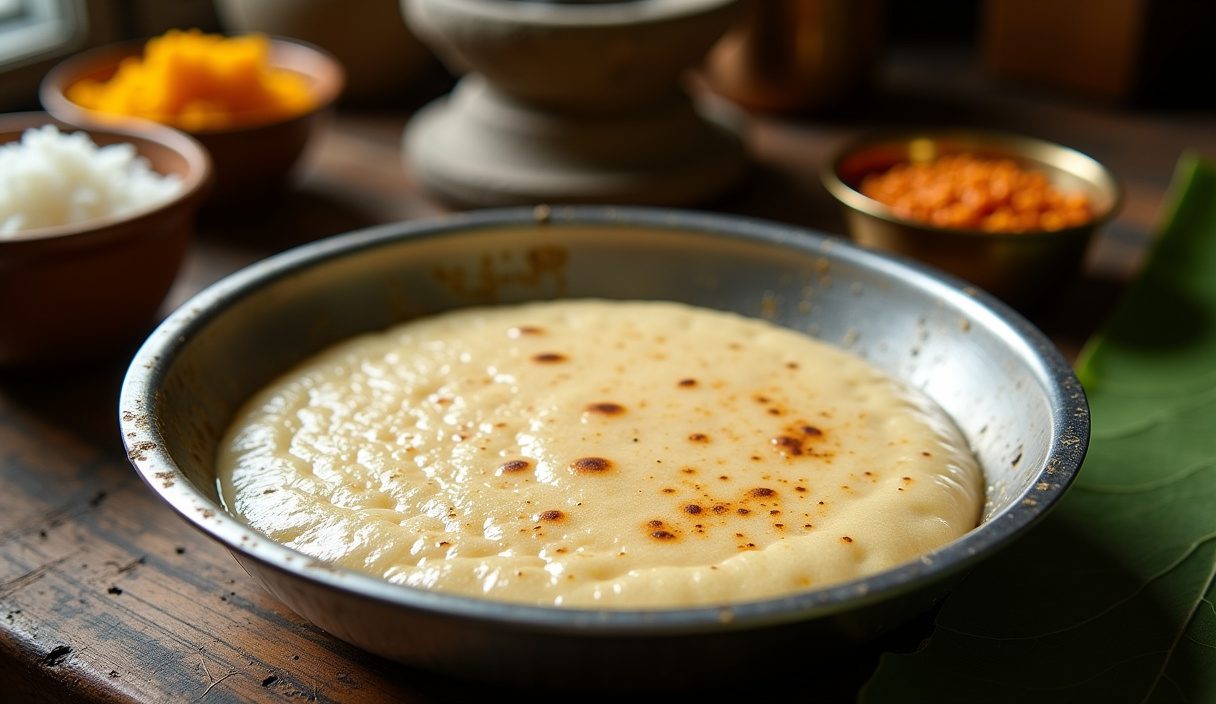
The rice to dal ratio, why fenugreek belongs in the soak, how long to ferment at your room temperature, and what to do when the batter refuses to rise.

Aryaas
Every guide we have published, from the batter that starts a dosa to the twenty-odd dishes that make up a festival sadya.
Our library is deliberately small. Rather than publishing hundreds of near-identical recipes, we write long, tested guides for the dishes that form the backbone of a South Indian vegetarian kitchen, and we keep them current. Each guide explains the technique behind the recipe, not just the quantities, because once you understand why a batter ferments or why a rasam is never boiled hard, you can cook the dish in any kitchen, in any season.
If you are starting out, begin with the dosa batter guide. Batter is the single skill that unlocks dosa, idli, uttapam and paniyaram, and it is the one most home cooks get wrong the first few times. From there, move to sambar and chutney, which turn any tiffin into a meal. When you are comfortable, the Onam sadya guide shows how the whole repertoire comes together on one banana leaf.
The rice to dal ratio, why fenugreek belongs in the soak, how long to ferment at your room temperature, and what to do when the batter refuses to rise.
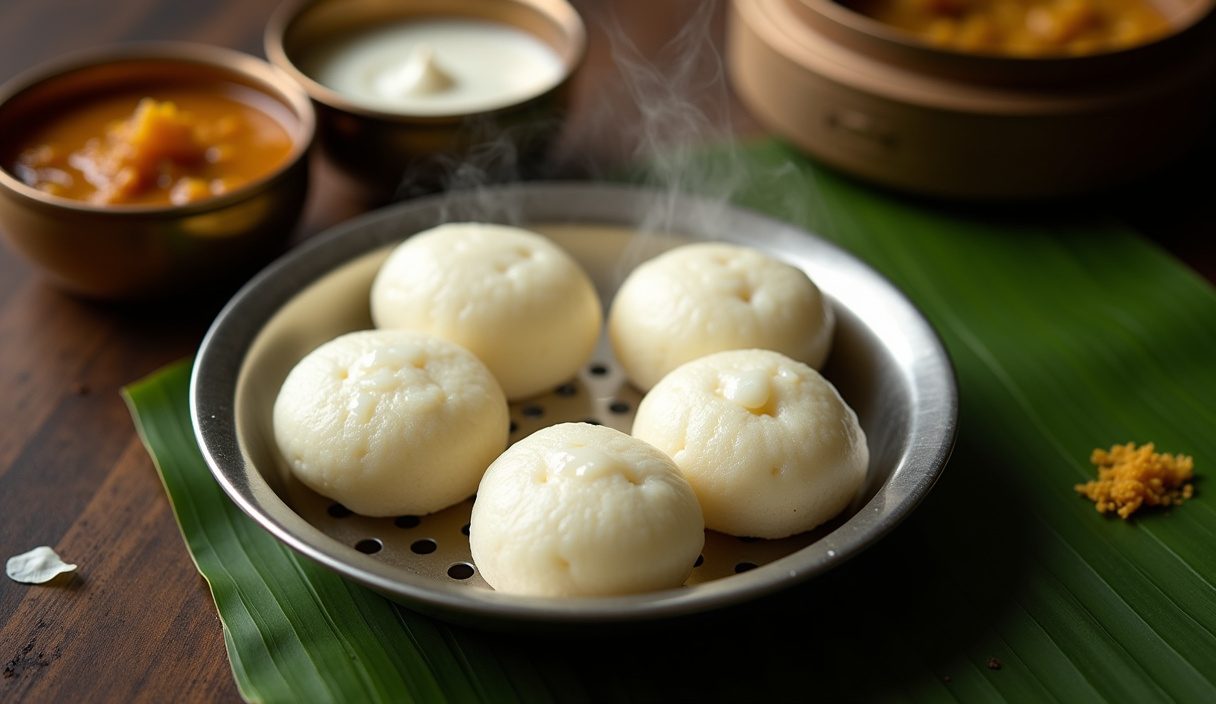
Why idli batter is ground differently from dosa batter, how long to steam, and the reasons idli comes out flat, dense, sticky or sour.
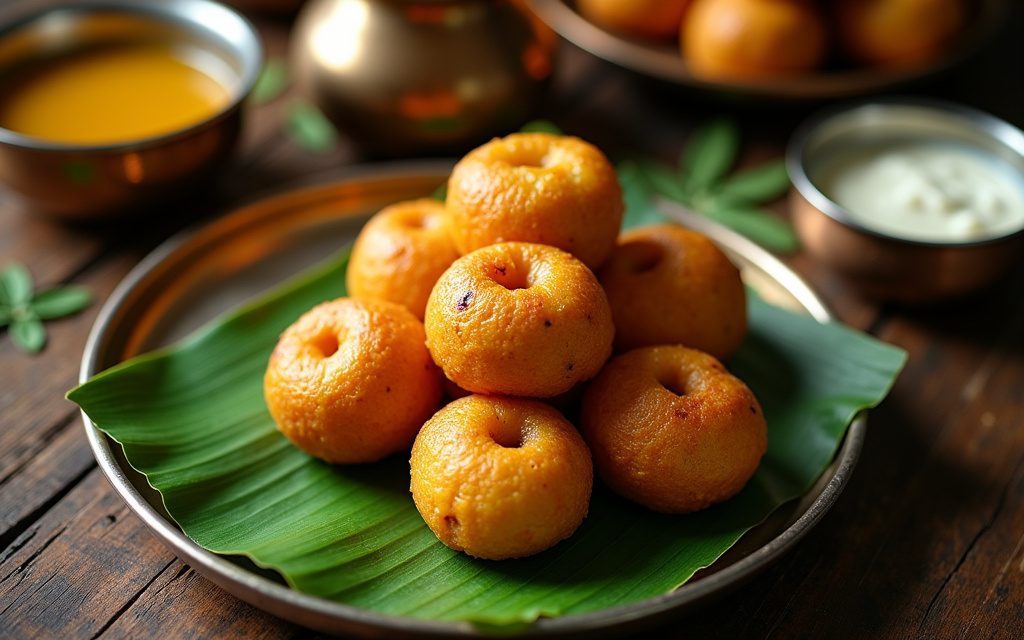
No fermentation here, just a thick aerated urad dal batter, a wet palm and oil at the right temperature. The shaping is the part that takes practice.
The grind, the chicory question, how tightly to pack the filter, and the long pour between tumbler and davara that gives the coffee its foam.
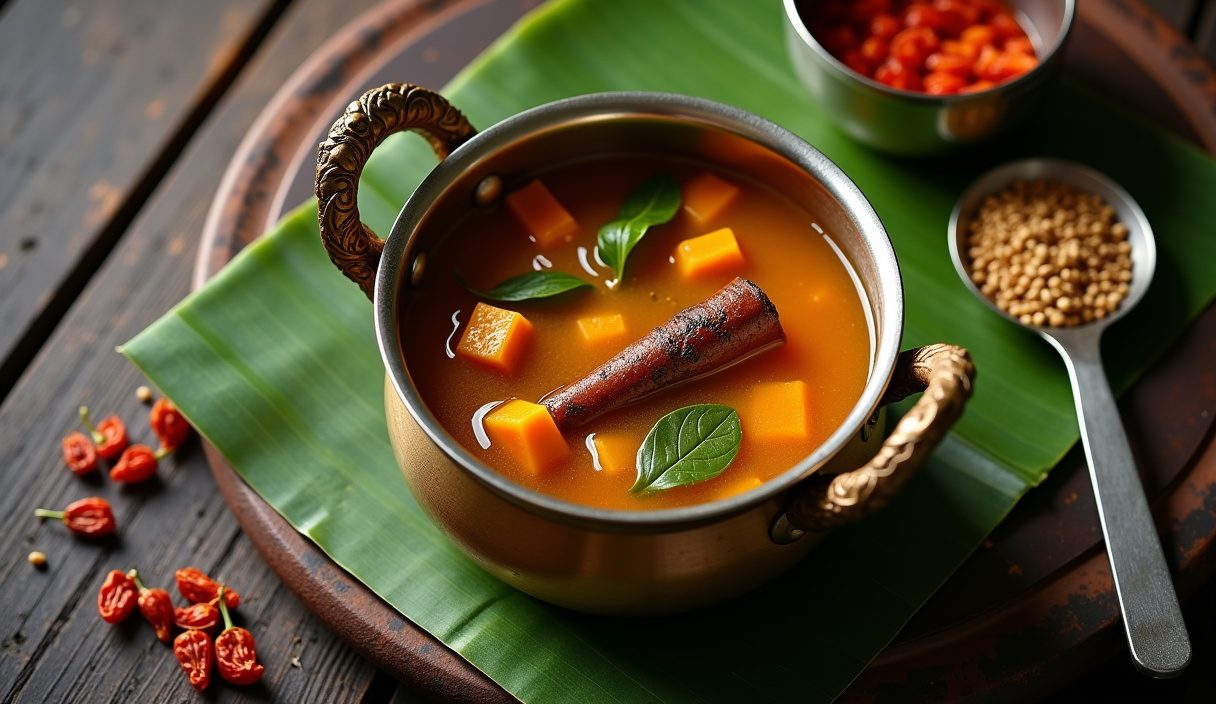
Which dal, how much tamarind, whether to roast your own powder, and the order vegetables go into the pot so nothing turns to mush.
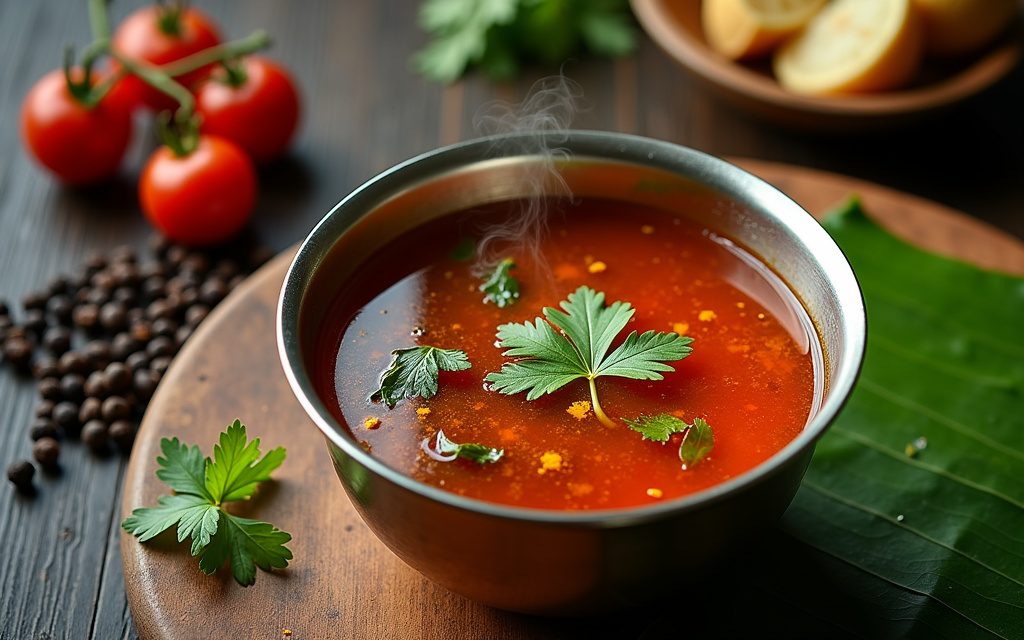
Rasam is thin, sour and peppery, and it is ruined by the thing most cooks do to it: boiling. Here is the froth rule and the versions worth knowing.
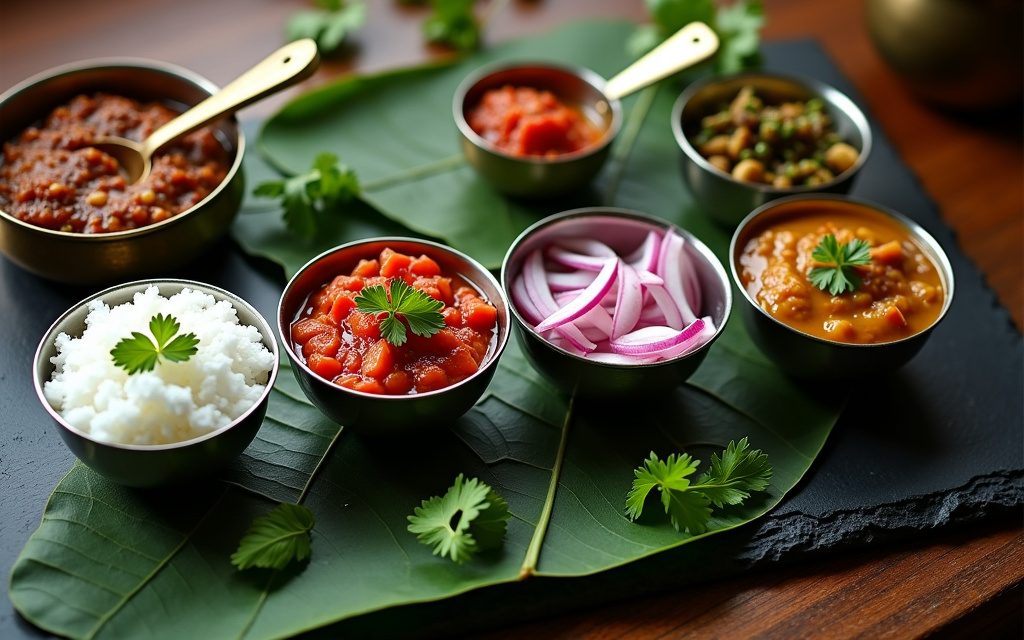
The white coconut chutney most people mean by the word, plus tomato, coriander, peanut and onion versions, and the tempering that finishes all of them.
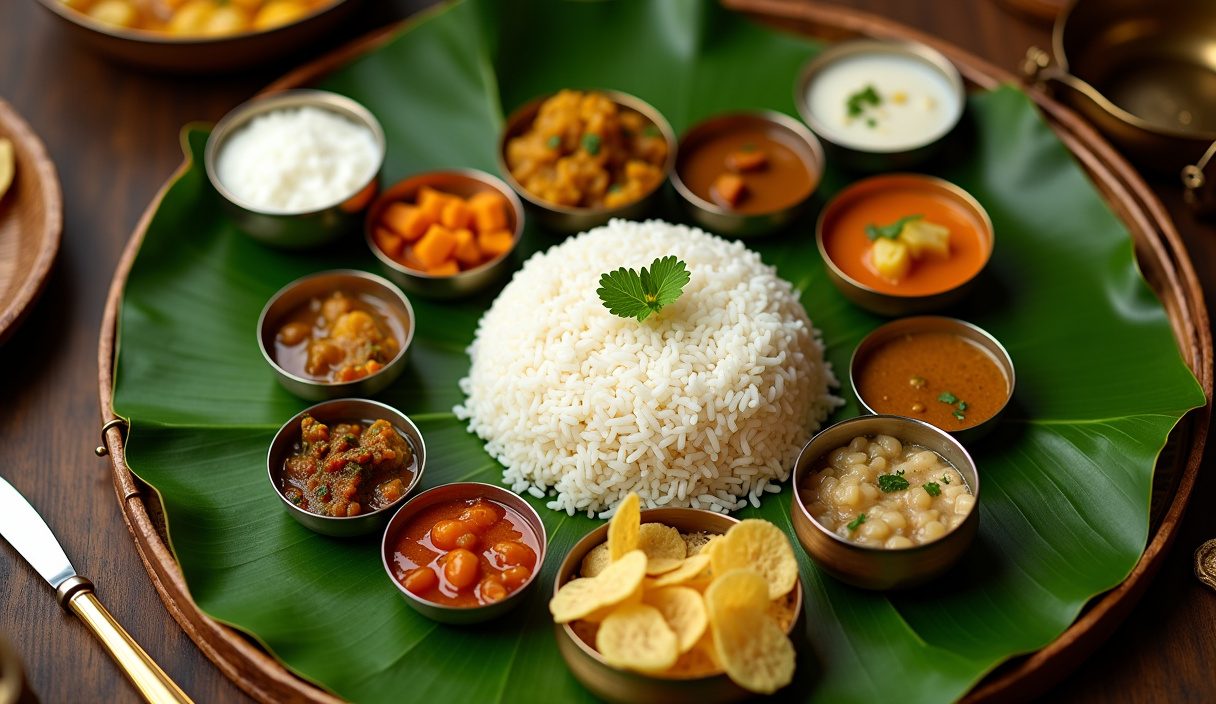
What goes on the leaf, where it goes, in what order it is served, and how to cook twenty-odd dishes across two days without losing your mind.
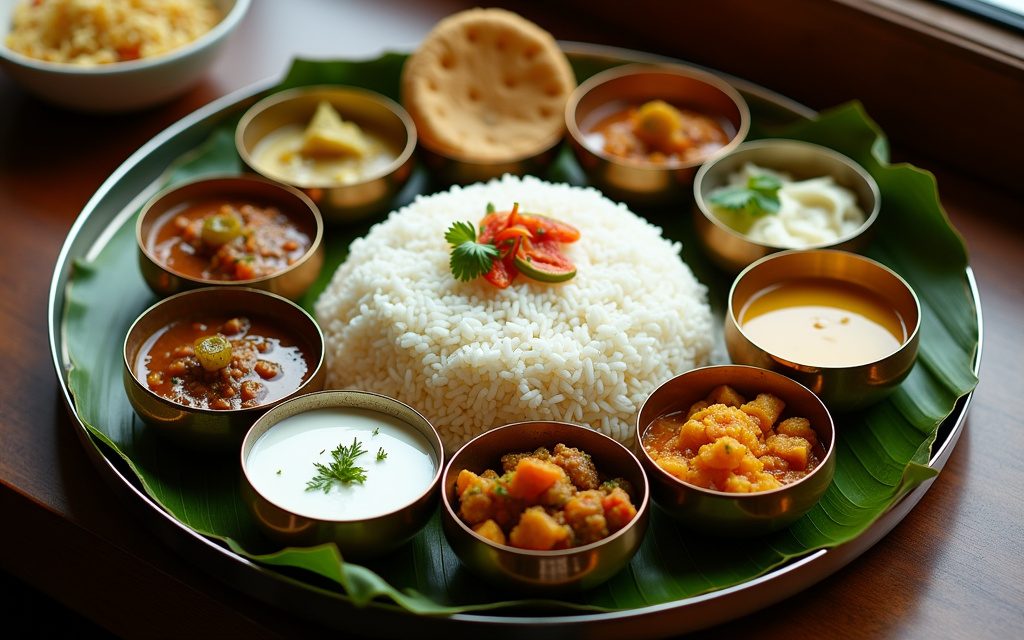
Why rice arrives in stages, what each small bowl is doing there, and the sequence the meal is designed around, which almost nobody explains to newcomers.