Breakfast & Tiffin
Dosa Batter Recipe: Ratios, Fermentation and Troubleshooting
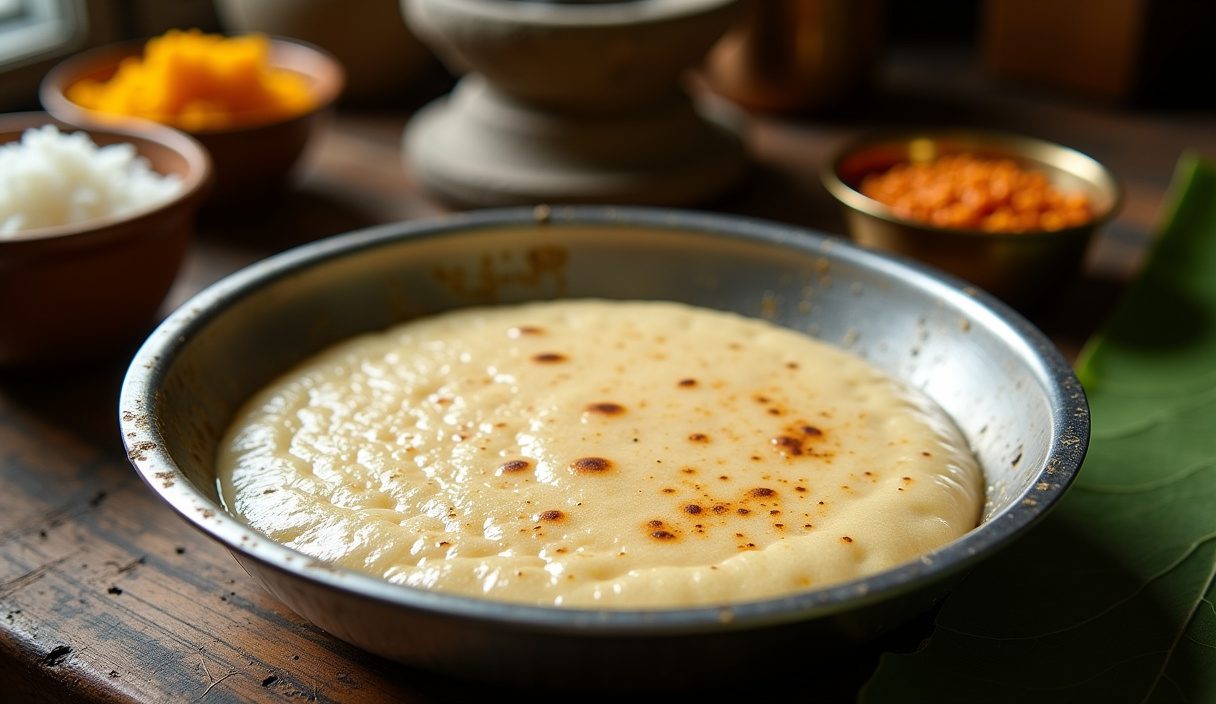
The rice to dal ratio, why fenugreek belongs in the soak, how long to ferment at your room temperature, and what to do when the batter refuses to rise.

Recipe Developer & Founding Editor · Fermented batters, Tamil tiffin, Sambar and rasam, Chutneys, Filter coffee
I grew up in Madurai in a house where the wet grinder ran every second evening, and where the question of whether a batter had risen enough was settled by an aunt putting her hand into the vessel rather than by looking at a clock. Most of what I know about this food I learned by standing next to someone doing it.
For the last fifteen years I have been writing it down properly. That turned out to be harder than cooking it. A recipe passed down in a kitchen assumes you can see the grinder, feel the batter, and smell when the fenugreek has roasted far enough. Turning that into words that work for someone in a cold flat with a mixer-grinder and no frame of reference is the actual job.
So I test everything twice, and I test batters on both a wet grinder and an ordinary mixer, because most people reading this do not own a wet grinder and it is not much use pretending otherwise. When a traditional step can be dropped without harming the dish, I say so. When it cannot, I explain why, because "my grandmother did it this way" is not a reason anyone can act on.
I develop and photograph most of the recipes on Aryaas. The guides on Kerala cooking and festival menus are Joseph's, and he edits mine before they go out, which has saved me from publishing several confident errors.
The thing I would most like readers to take from these guides is that fermentation is a temperature problem, not a clock problem. Almost every batter failure I get asked about comes down to a kitchen being colder than the recipe assumed.

The rice to dal ratio, why fenugreek belongs in the soak, how long to ferment at your room temperature, and what to do when the batter refuses to rise.
Why idli batter is ground differently from dosa batter, how long to steam, and the reasons idli comes out flat, dense, sticky or sour.
No fermentation here, just a thick aerated urad dal batter, a wet palm and oil at the right temperature. The shaping is the part that takes practice.
The grind, the chicory question, how tightly to pack the filter, and the long pour between tumbler and davara that gives the coffee its foam.
Which dal, how much tamarind, whether to roast your own powder, and the order vegetables go into the pot so nothing turns to mush.
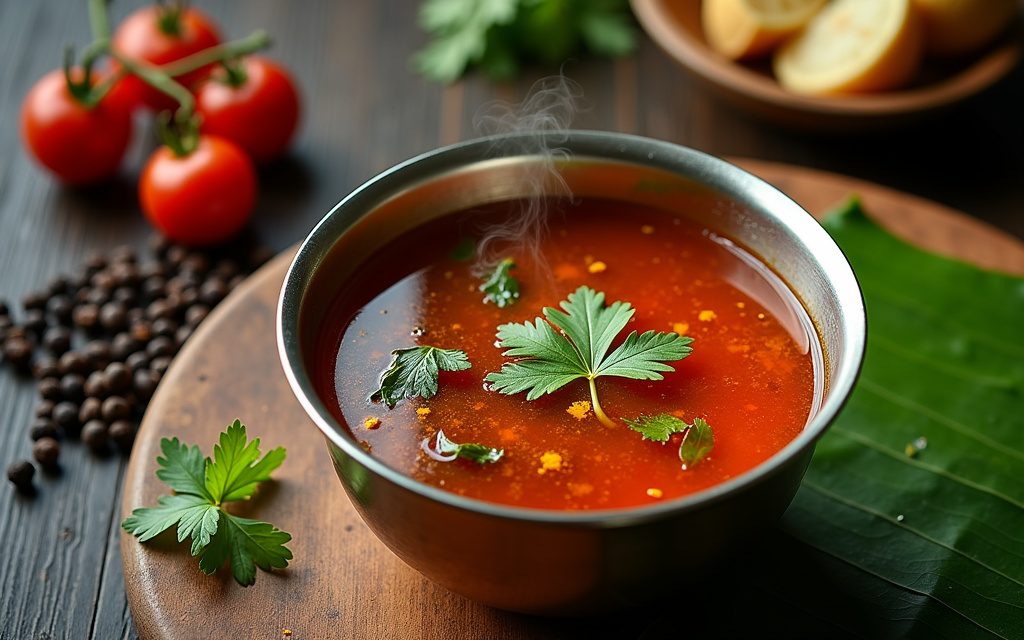
Rasam is thin, sour and peppery, and it is ruined by the thing most cooks do to it: boiling. Here is the froth rule and the versions worth knowing.
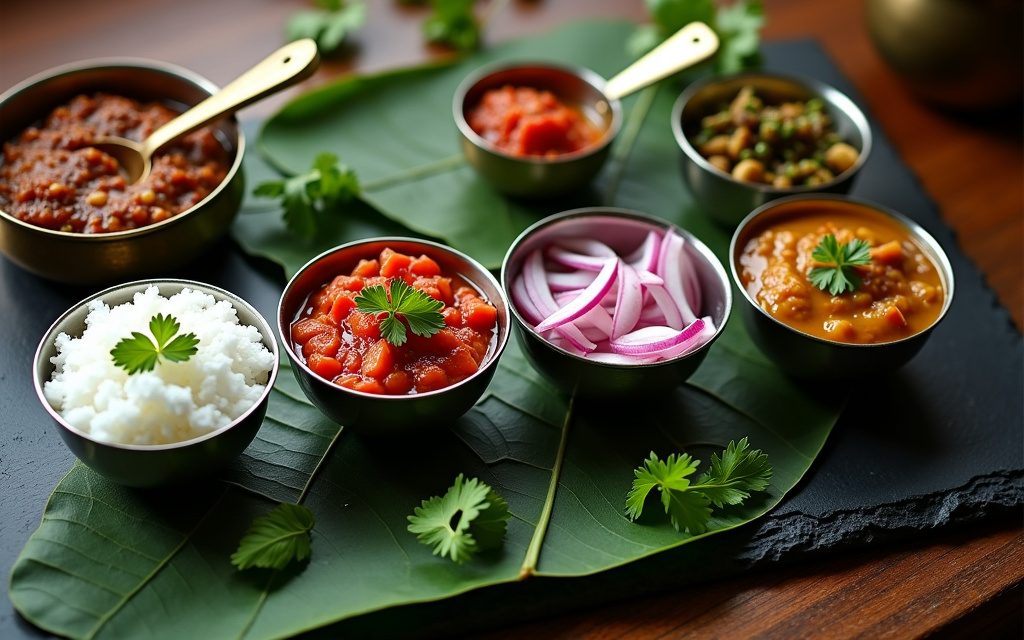
The white coconut chutney most people mean by the word, plus tomato, coriander, peanut and onion versions, and the tempering that finishes all of them.