Breakfast & Tiffin
Dosa Batter Recipe: Ratios, Fermentation and Troubleshooting
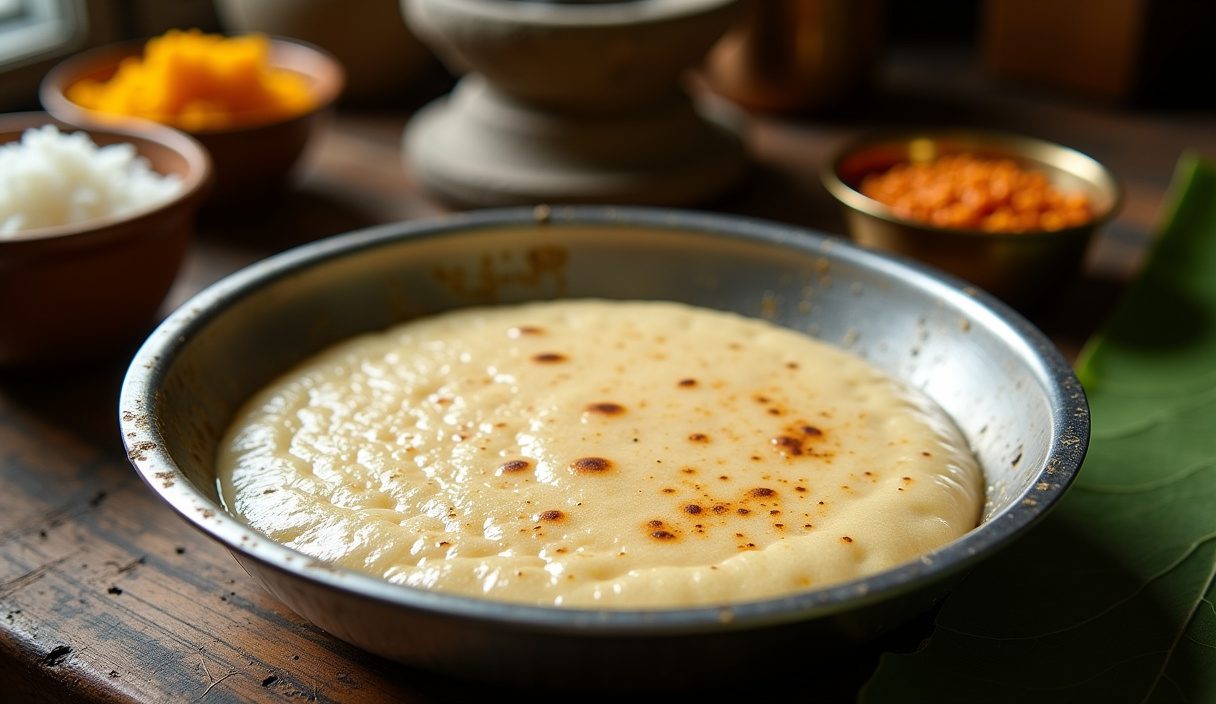
The rice to dal ratio, why fenugreek belongs in the soak, how long to ferment at your room temperature, and what to do when the batter refuses to rise.

The grind, the chicory question, how tightly to pack the filter, and the long pour between tumbler and davara that gives the coffee its foam.

Filter coffee is the drink that closes a South Indian breakfast. It is strong, milky, sweet, and served in a steel tumbler sitting in a wide-lipped bowl called a davara. The froth on top is not decoration; it comes from the pouring, and the pouring is half the ritual.
The method is simple but unforgiving of shortcuts. There are four things to get right: the coffee, the filter packing, the brew time, and the pour.
Traditional South Indian filter coffee is a blend of coffee and chicory, usually 80:20, sometimes 70:30. Chicory is a roasted root, not a coffee bean. It contributes no caffeine, adds a dark, faintly bitter, almost woody depth, and — the practical reason it caught on — it makes the decoction thicker and slower to drip, which suits this brewing method.
Pure coffee without chicory makes a perfectly good decoction, but it tastes noticeably lighter and drips faster. If you have only had commercial South Indian filter coffee, the flavour you are remembering is partly chicory. Start at 80:20 and adjust.
The roast should be dark, and the grind should be fine but not powdery — finer than a drip grind, coarser than espresso. Too fine and the filter chokes and never drips. Too coarse and the water runs through in minutes and gives a weak, sour decoction.
Buy whole beans and grind them if you can. Coffee for this method goes stale fast because the grind is so fine.
A South Indian coffee filter is two stacked steel cylinders. The upper one has a perforated base and comes with a perforated press disc; the lower one catches the decoction. They are cheap and they last decades.
Water temperature matters. Fully boiling water scalds the grounds and gives a harsh, bitter decoction. Take the kettle off, wait thirty seconds, then pour.
A proper decoction takes a long time to drip: anywhere from twenty minutes to a few hours depending on grind and packing. Most households set the filter up the night before and wake to decoction waiting.
The finished decoction should be very dark, almost black, and thick enough to coat the inside of the lower chamber slightly. If it dripped through in five minutes and looks like weak tea, your grind is too coarse or you did not press the disc. If nothing has come through in two hours, it is too fine or packed too hard.
Decoction keeps in the fridge for two to three days in a closed jar, which is how a household with one filter serves coffee all week.
The standard ratio is roughly 1 part decoction to 3 or 4 parts milk, with sugar to taste. Use whole milk and heat it until it is just about to boil — properly hot, not warm. Cold or lukewarm milk makes flat, disappointing coffee.
Put the sugar in the tumbler first, then the decoction, then pour in the hot milk. Two teaspoons of sugar per cup is typical; this is a sweet drink by design, and the sweetness balances the chicory's bitterness.
Now the part that makes it filter coffee rather than milky coffee. Pour the mixture from the tumbler into the davara, raising the tumbler high so the stream falls a long way. Then pour it back. Then again. Three or four times, each time from as high as you can manage without splashing.
This does two things. It aerates the coffee, producing the thick foam that should sit on top when you finish. And it cools the drink from scalding to drinkable, which is the practical reason the tradition exists.
The height is what creates the froth, not the number of pours. A short, timid pour repeated ten times will not do it. Start low while you are learning and raise the tumbler as your aim improves.
Grind too fine, or the disc pressed too hard, or both. Lift the disc slightly to release the compaction. Next time press with the weight of your hand only. If your grinder cannot go coarser, use less coffee per brew.
The opposite problem: grind too coarse, or the disc not pressed, or you used too much water for the amount of coffee. Two heaped tablespoons per cup is the floor, not the ceiling.
Usually fully boiling water poured over the grounds. Let the kettle stand for thirty seconds first. It can also be an over-long brew with a very fine grind, or too high a chicory proportion.
The pour is not high enough, or the milk was not hot enough. Both are required. Cold milk will not foam no matter how theatrically you pour.
You can approximate it. A French press with a fine grind and a long steep, or a moka pot, gives a strong enough brew to stand in for decoction. It will not be quite the same — the slow gravity drip extracts differently — but combined with hot milk and a proper pour it is a good drink.
After breakfast, not with it. Filter coffee follows idli, dosa or vada rather than accompanying them, and it is drunk hot and fairly quickly. A second round mid-afternoon is standard practice and needs no justification.
The rice to dal ratio, why fenugreek belongs in the soak, how long to ferment at your room temperature, and what to do when the batter refuses to rise.
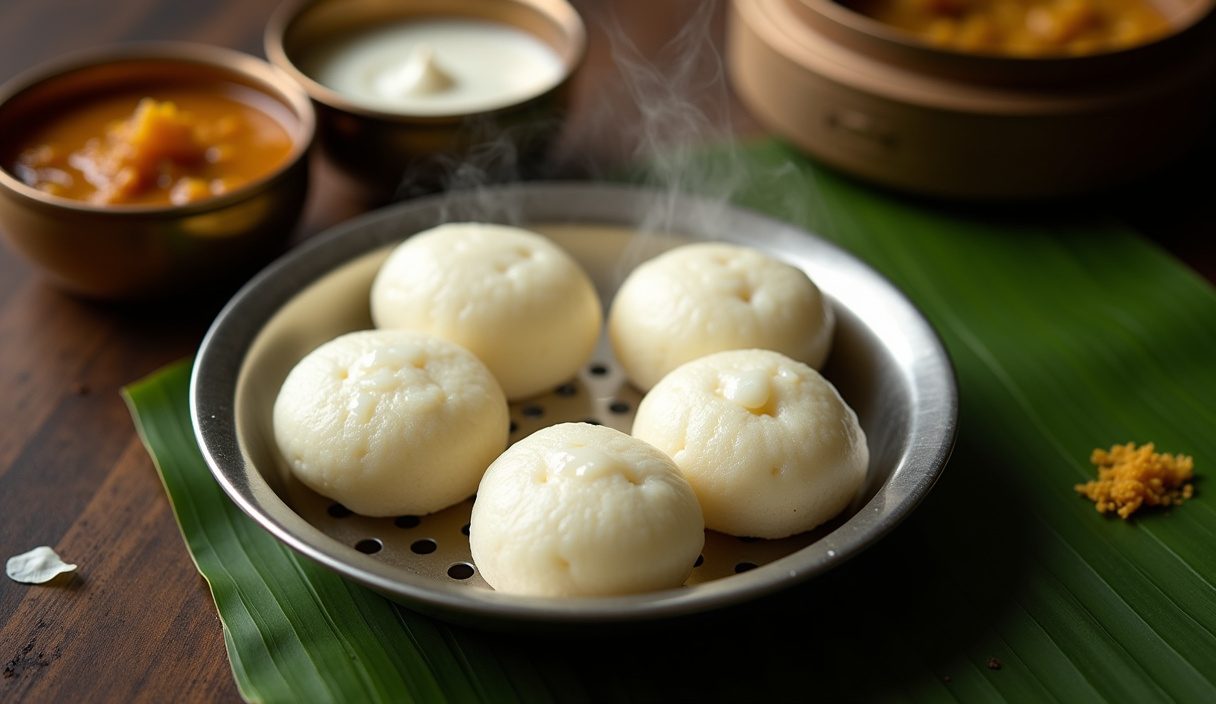
Why idli batter is ground differently from dosa batter, how long to steam, and the reasons idli comes out flat, dense, sticky or sour.
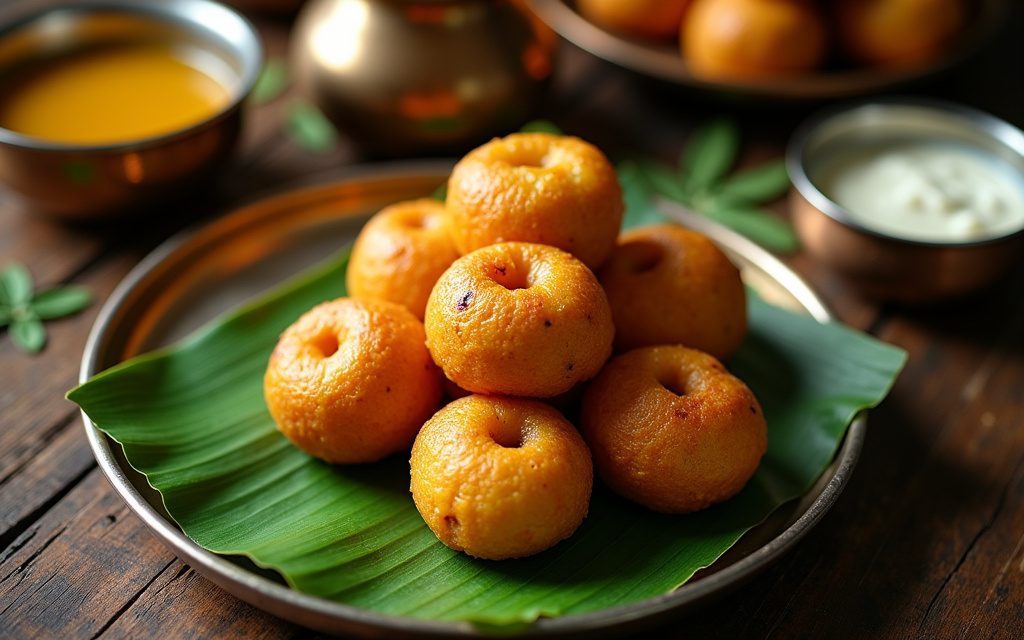
No fermentation here, just a thick aerated urad dal batter, a wet palm and oil at the right temperature. The shaping is the part that takes practice.